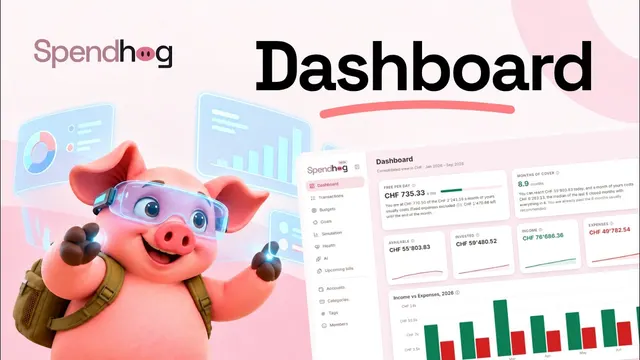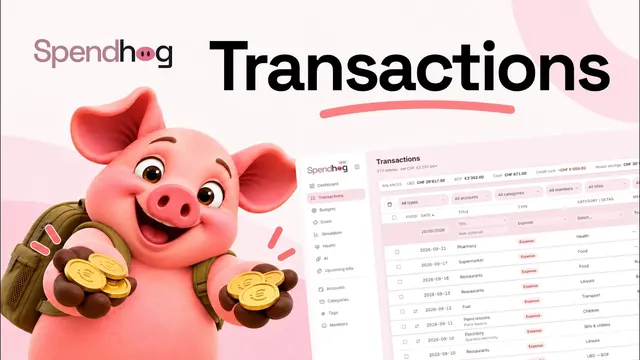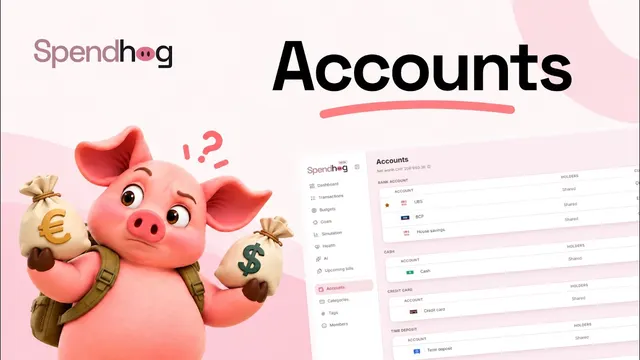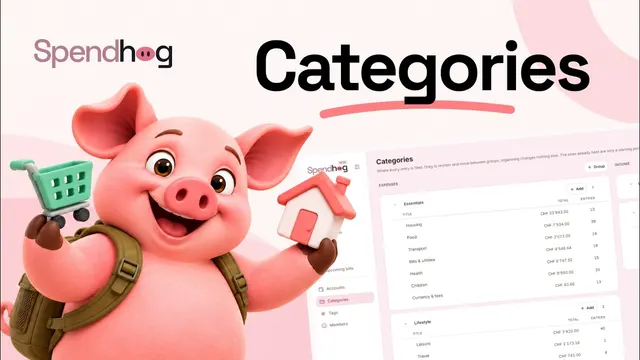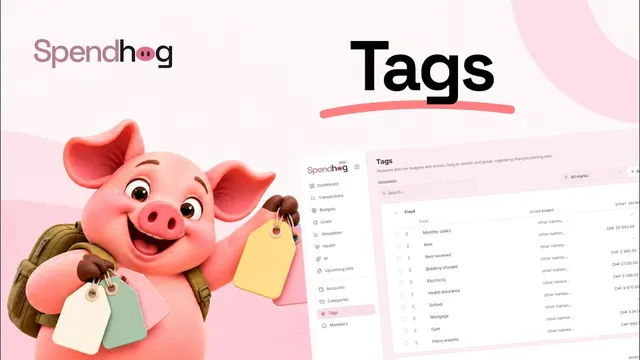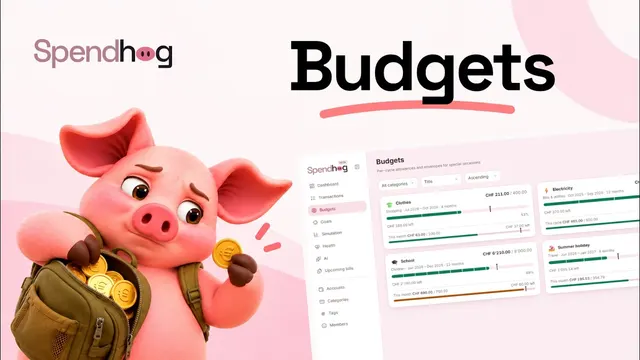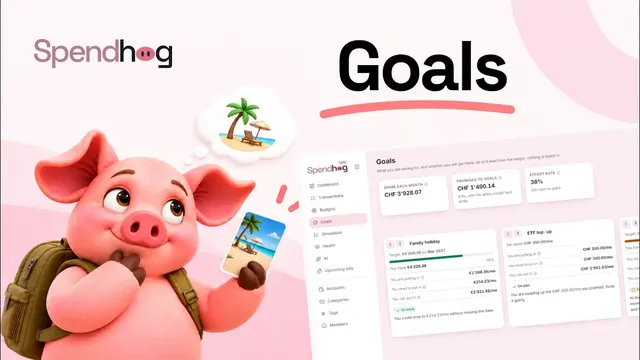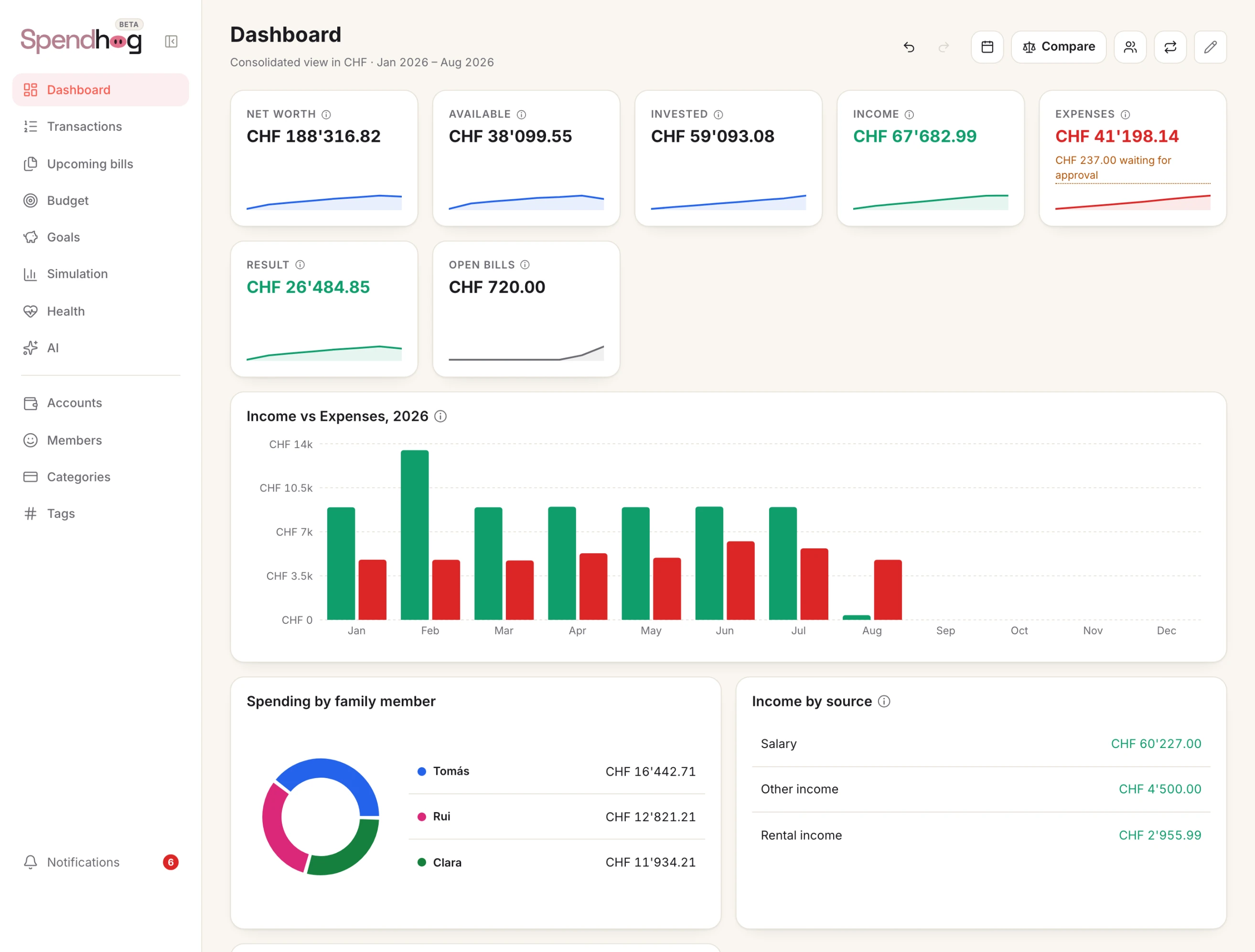


It explains the why
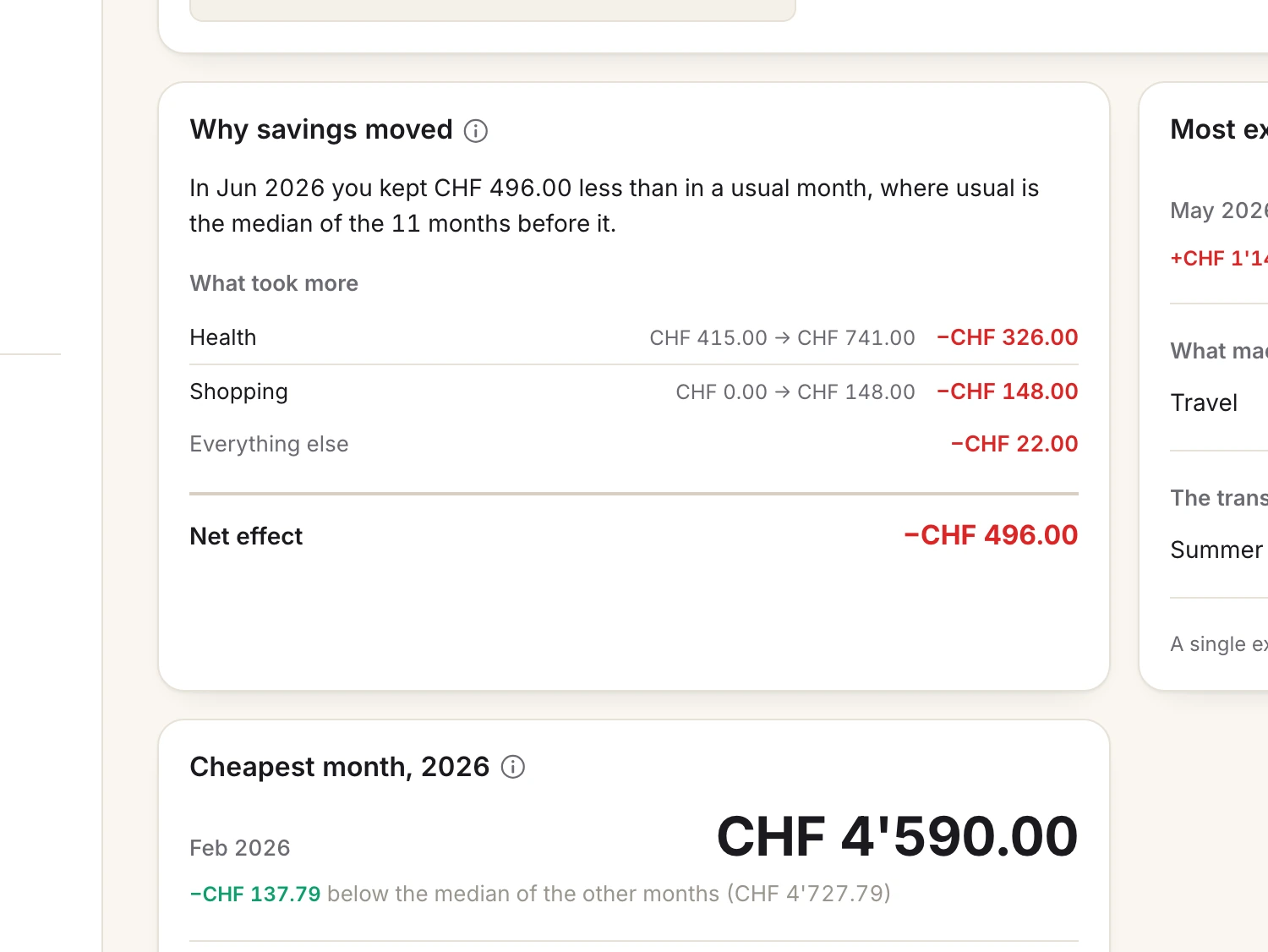
Ranked by what changed against your own normal month, not by what is biggest. It names the categories that moved the month, so you learn what happened.

Most money apps tell you what you spent. Spendhog tells you why the month went the way it did: what actually changed, what was just a one-off, and whether you can still afford what you are saving for.
30 days free. No card, no bank login. 30 founder places at CHF 8.99/month.
30 founder places
CHF 8.99/mo
Spendhog is a household budget app for everyone under one roof, with no bank connection.
It goes on food delivery, groceries, kids' activities, subscriptions, holidays, card payments, cash and small everyday choices.
None of them looks dangerous on its own. But together they shape the month, the year and the goals your household can realistically reach.
These are the four things people say when they give one up. They are also the four things Spendhog was built around.
“The bank connection kept breaking.”
Spendhog never asks for your bank login. There is no feed to break when a bank changes something, and no bank, card or account that is unsupported, because you decide what goes in.
“It filed my friend's birthday gift as groceries.”
You name your own categories and decide what belongs where. And because you type it in yourself, you actually see it, not an imported line you never really look at.
“It started to feel like a second job.”
Spendhog points at what actually changed this month, not at every coffee. It is here to make money visible, not to tell you off.
“Then the price went up again.”
Founders keep the price they subscribed at, for as long as they stay subscribed. Stop whenever you like and you can still open and export everything, forever.

Spendhog started as a spreadsheet called Poupanças, Portuguese for savings, kept for my own family.
There are five of us, with shared expenses, kids' activities, holidays to plan and the occasional “let's just order food tonight”.
The spreadsheet helped us see the rhythm of our money.
Not to punish spending, but to make it visible.
Spendhog is that spreadsheet, rebuilt in Switzerland by a product designer who has spent a career on the software that wealth and asset managers work in, advised by the former CFO who started the spreadsheet. A family project, then, but not an amateur one. Every real feature kept, the fragility gone, and a new layer on top: software that explains your own data back to you.

Ranked by what changed against your own normal month, not by what is biggest. It names the categories that moved the month, so you learn what happened.
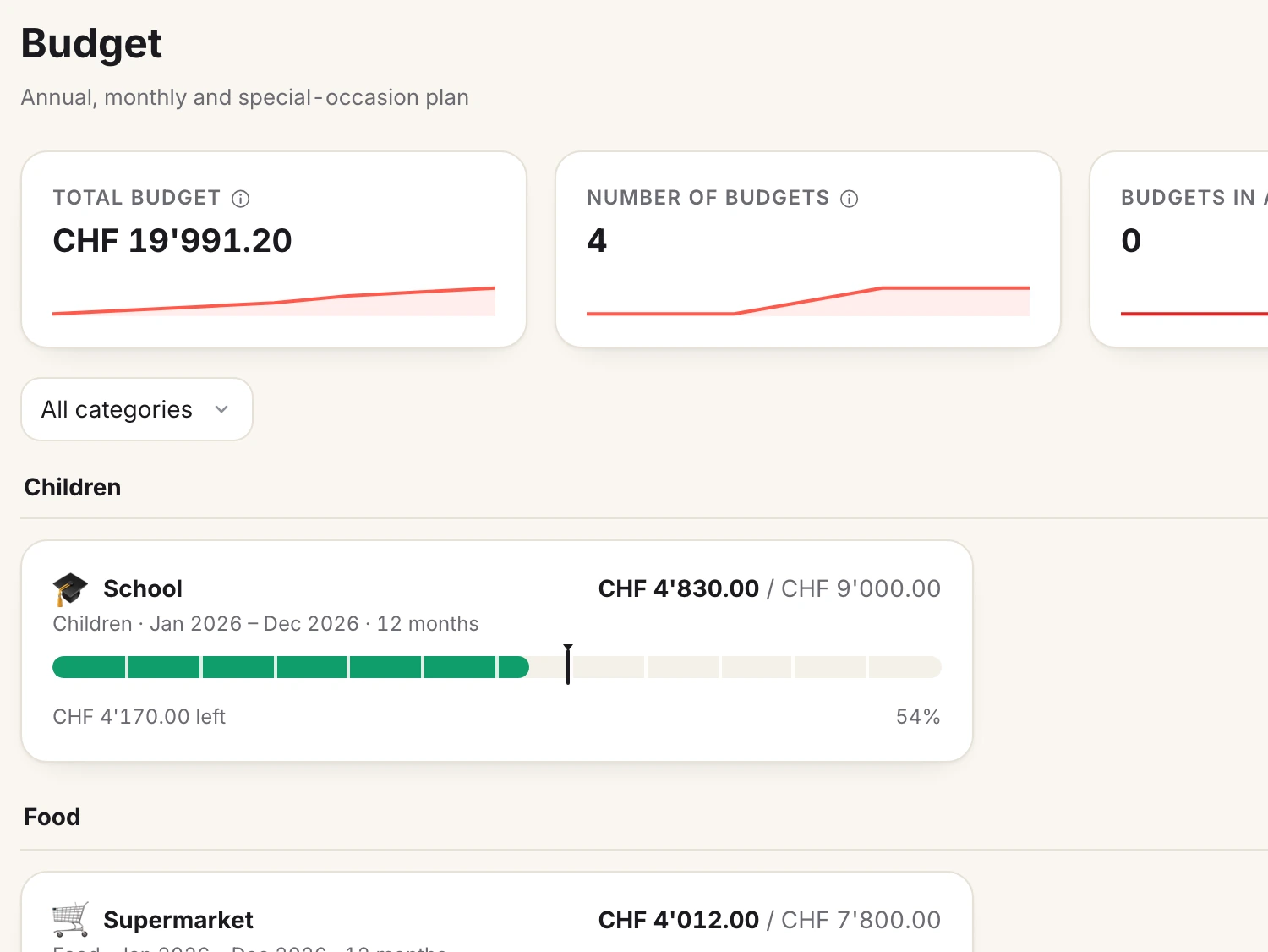
A bill every three months is not overspending in the month it lands. You are measured against how much of the period has actually passed.
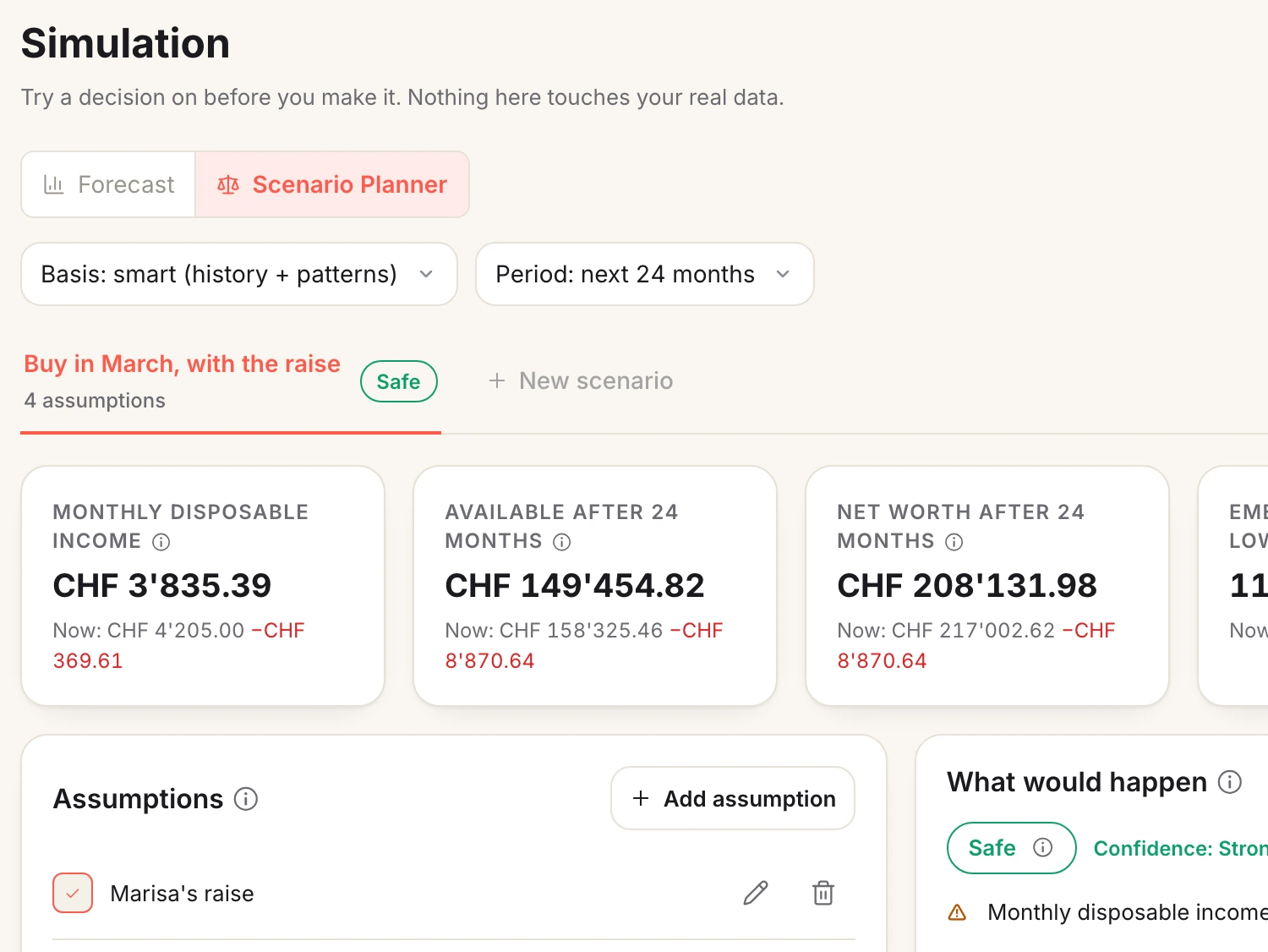
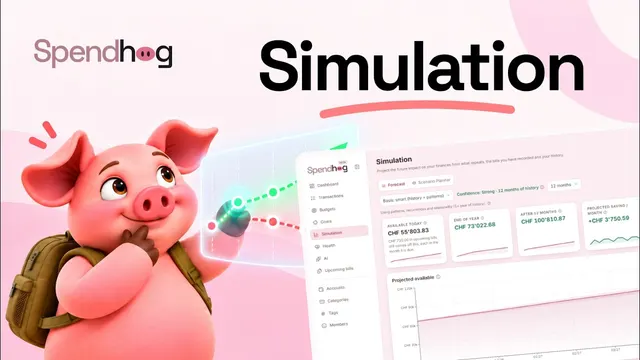
A pay rise, a mortgage, a car in March. Stack the changes and watch your balance. It runs on a copy, so your real numbers are never touched.
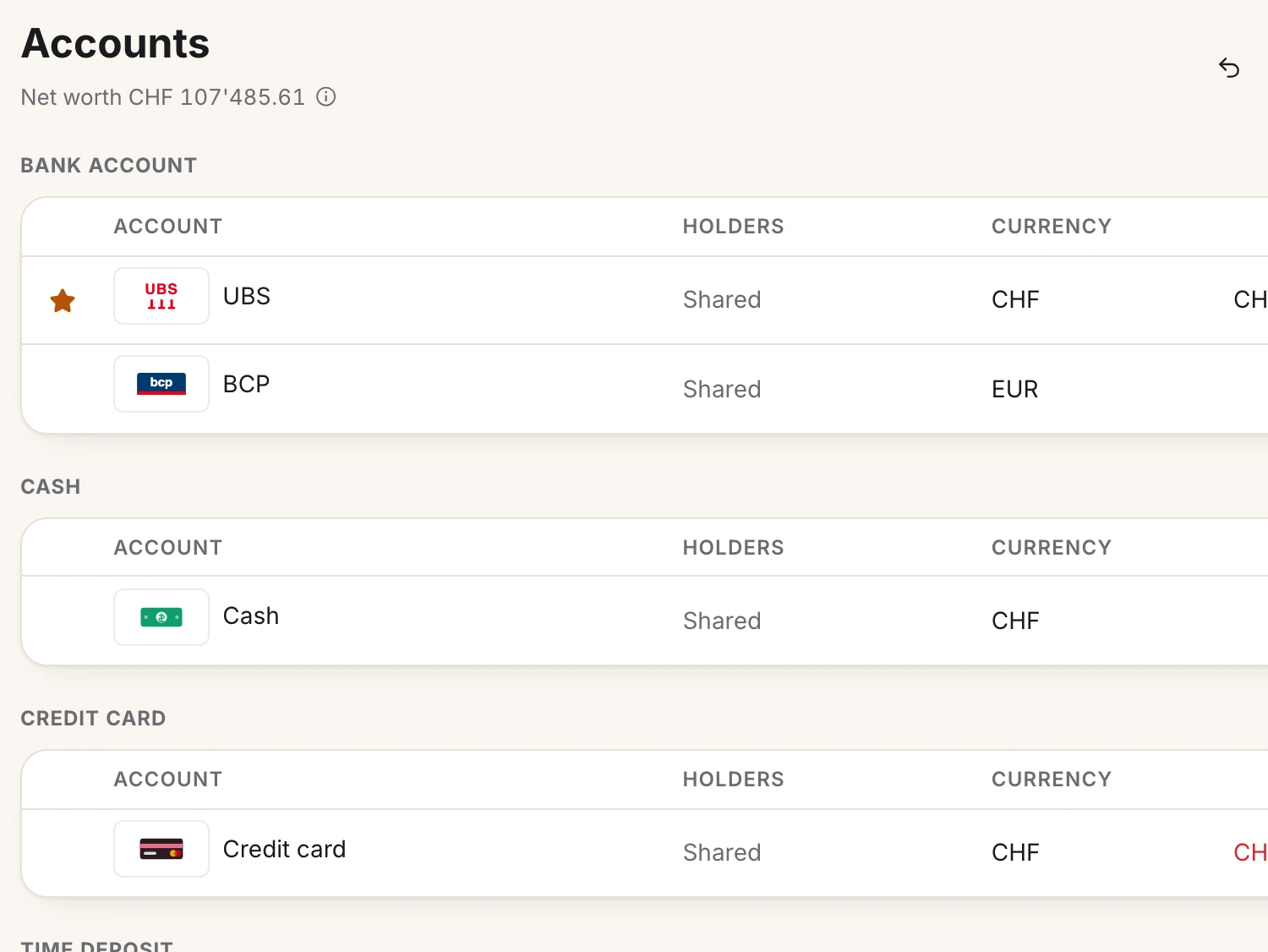
Every account, expense and transfer carries its own currency. What the exchange really cost you is recorded as a cost, not quietly lost.
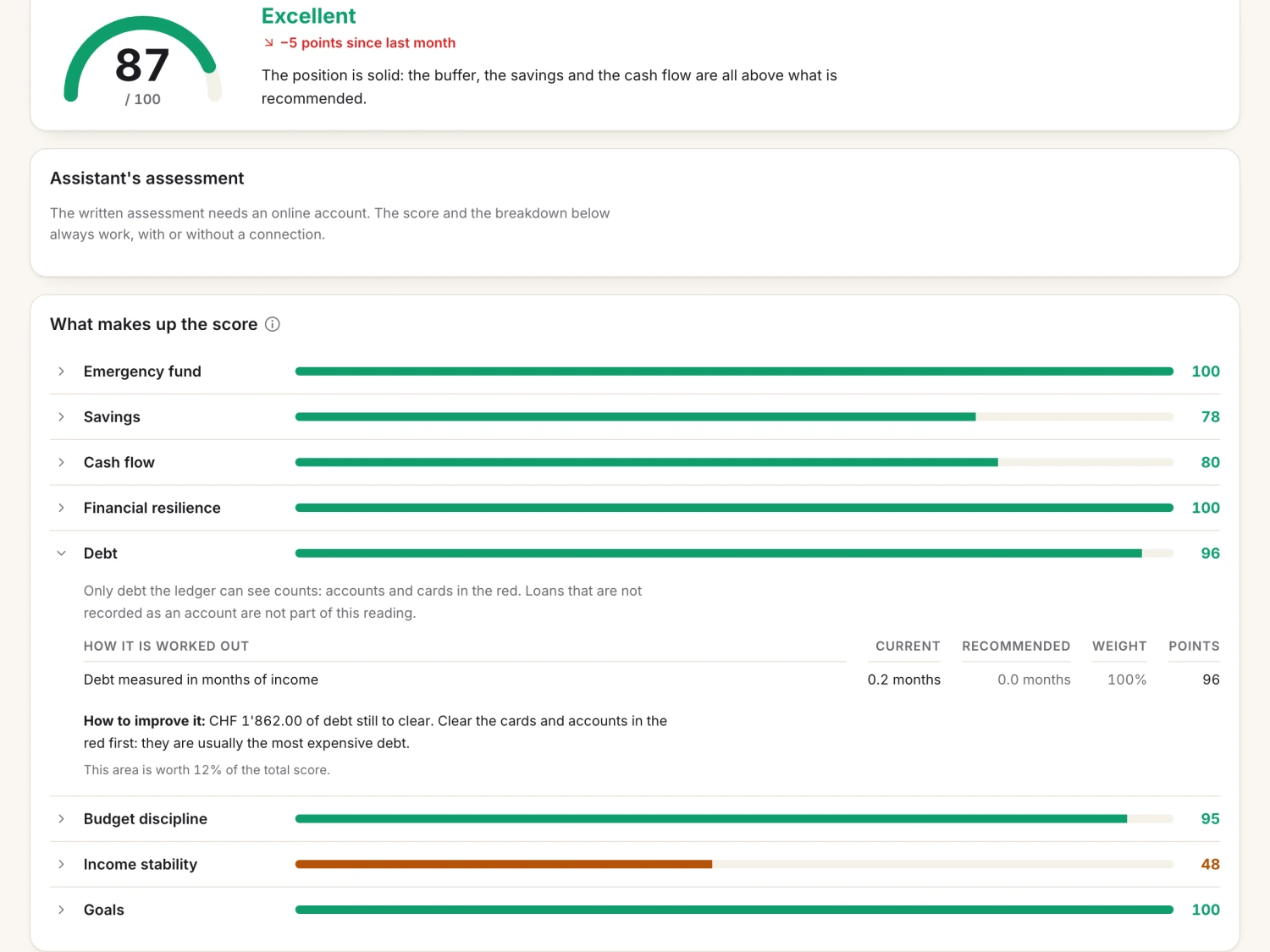
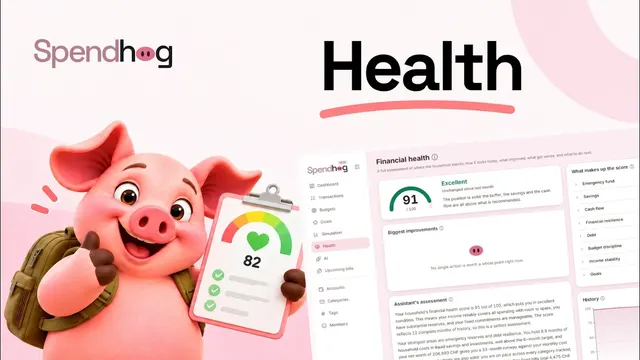
One number out of 100, from up to eight parts you can open one by one, each showing what was measured and what closing the gap would cost.
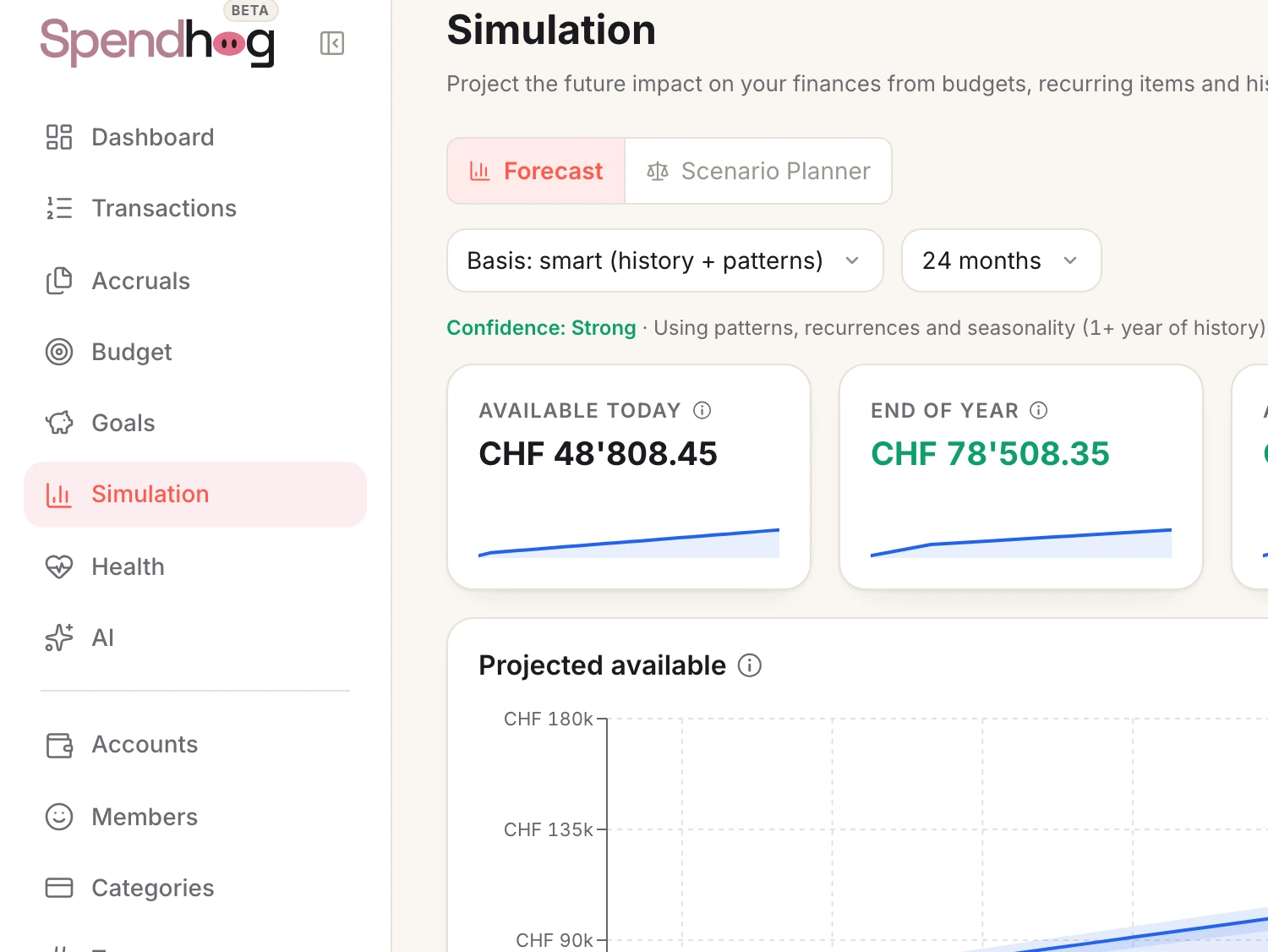
It projects from your real history, spreads the once-a-year bills across the year, and says how sure it is. Below two months it will not project.
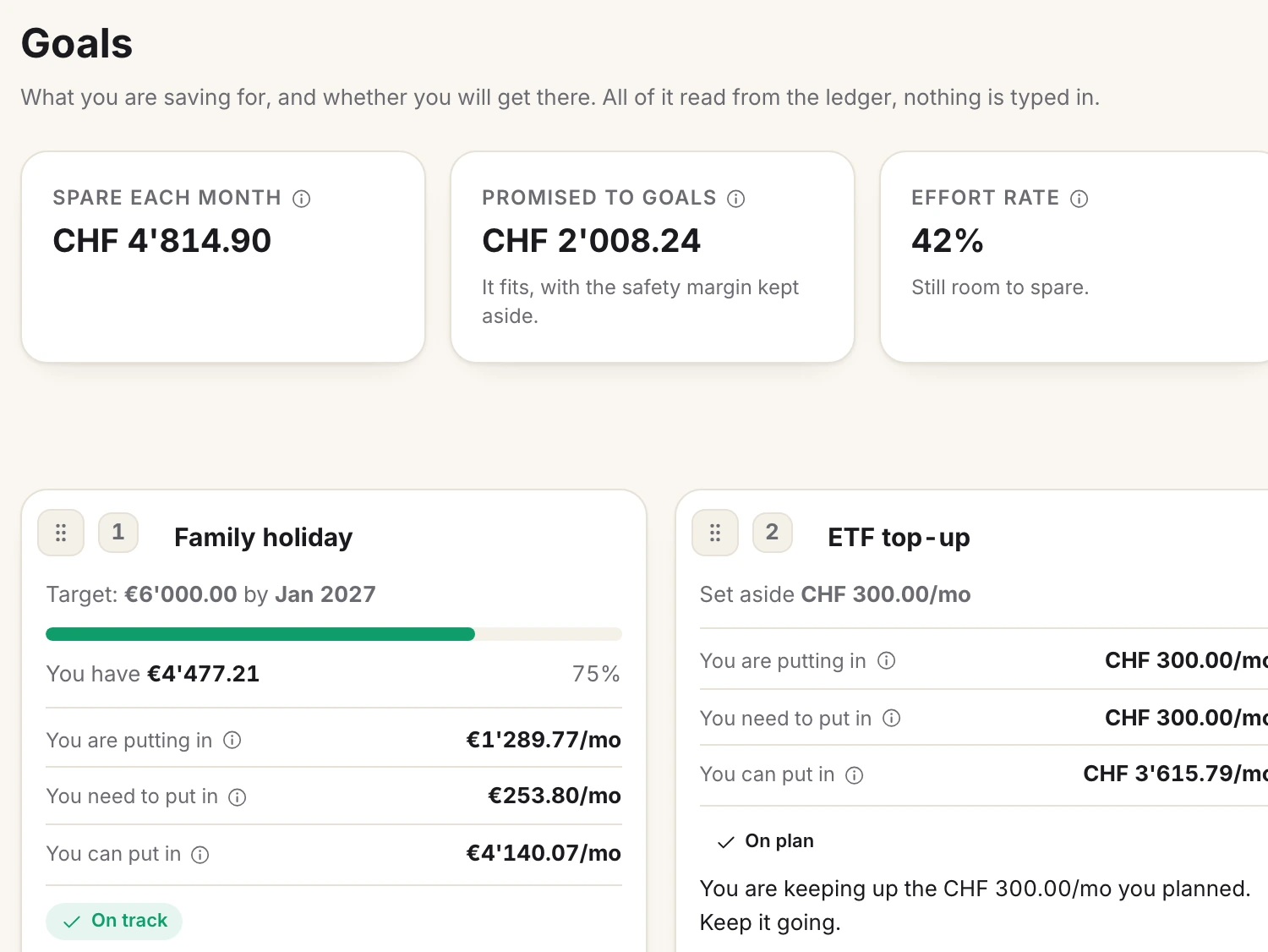
A goal reads the real balance of the account behind it and tells you whether the date still holds, or which date does.
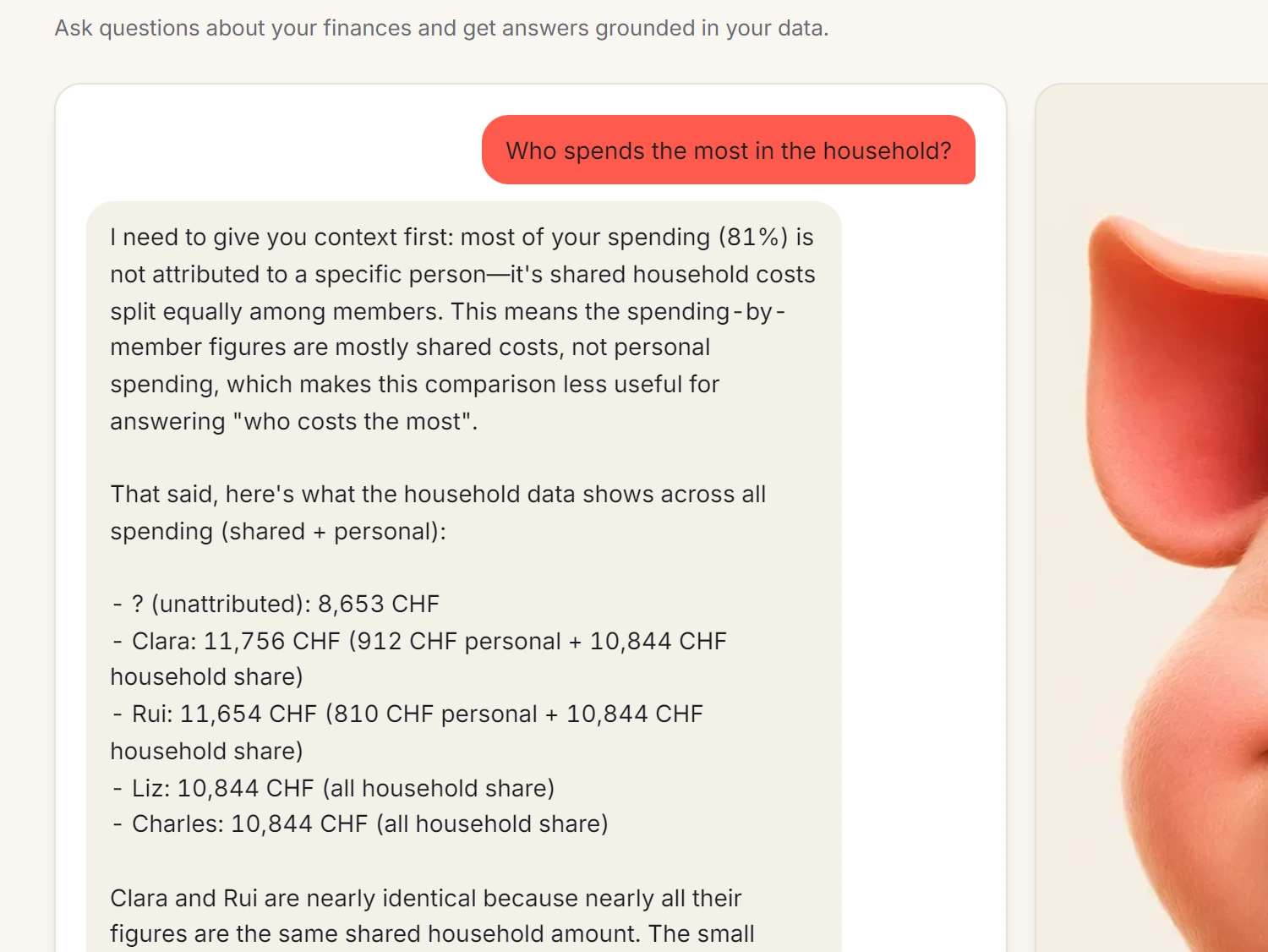
Ask it the way you would ask a person. Optional, and it never sees your transactions: only totals, and your own words as vocabulary, never tied to an entry or a date. A word written once carries what that one purchase cost.
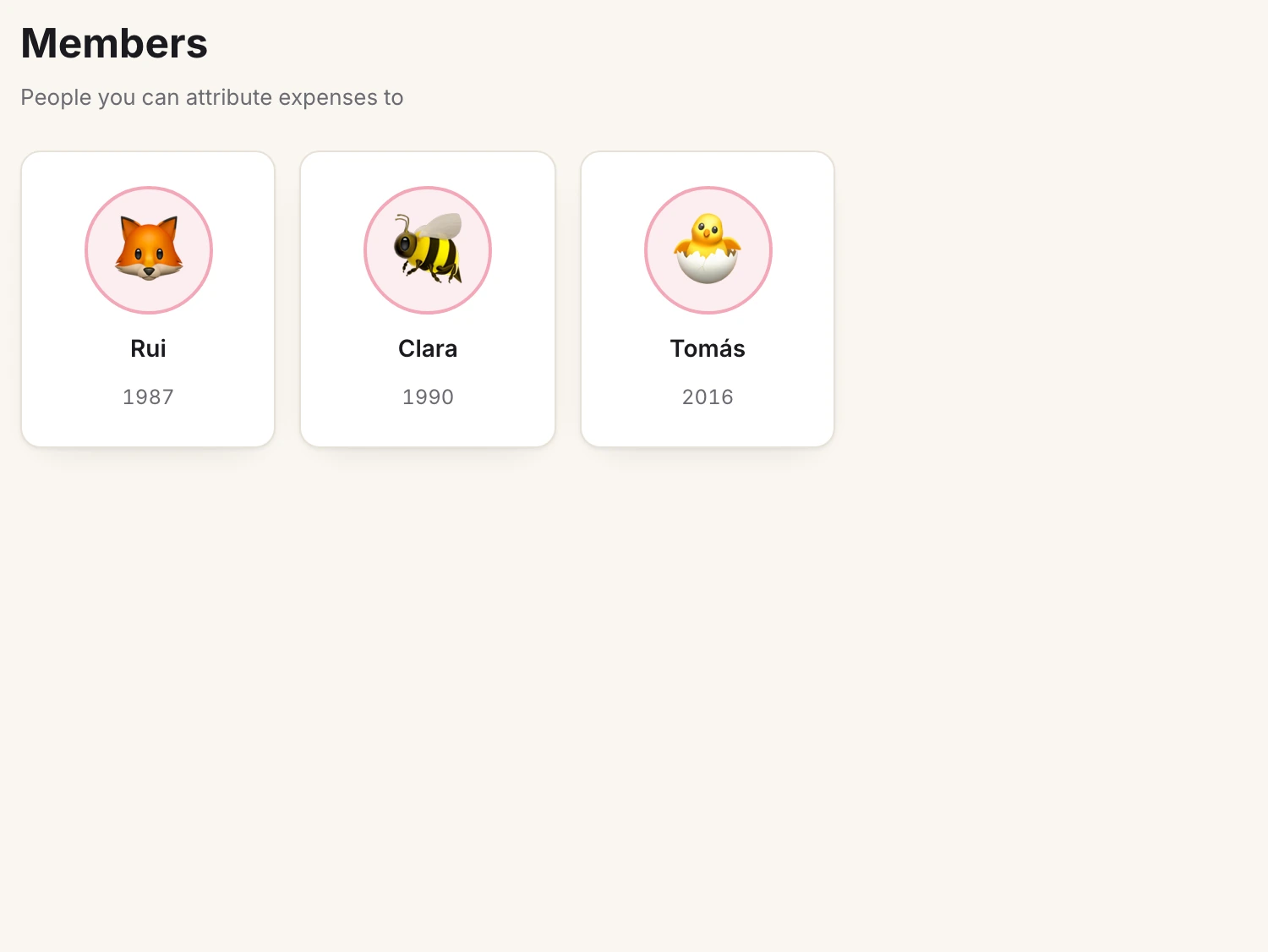
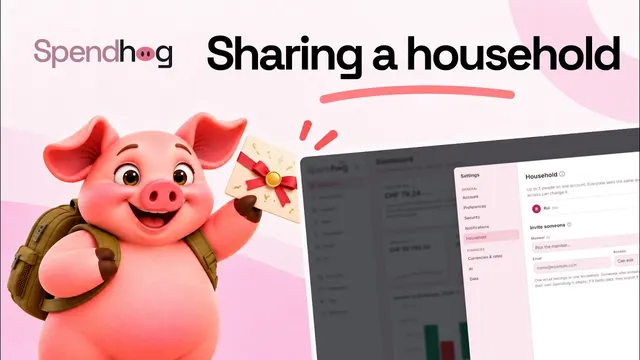
Everyone at home can be on the entries, and up to three of you can sign in. You choose who can change things and who can only look.
Everything is ranked by what changed against your own normal month, not by what is biggest. It names the categories that actually moved the month, so you learn what happened, not just that something did. It is worked out from your own entries, not written by an AI, so the same month always gets the same explanation and every figure in it adds up.
You already trust your spreadsheet, because it never left your own laptop. So this has to earn it: no bank login is ever asked for, the security is real, there are no third-party trackers on any page of this site, and the data stays yours to take with you.
Your data is locked to your household deep inside the system, not merely hidden from view in the app.
Scrambled on the way to us and while it sits with us, backed up automatically, with a two-step login if you want one.
Take everything out as a spreadsheet file or a full backup, any time. Delete your account for good whenever you want.
The assistant only turns on if you turn it on, and even then it never sees a single transaction: only totals, and the words you write on entries, as vocabulary: never tied to an entry, a date or an exact amount. A word you have written only once carries what that one purchase cost, rounded.

“I like that the forecast tells you how confident it is and doesn't try to guess when there isn't enough historical data to back it up. That's exactly what makes me trust the numbers.”
Founder pricing
Normally CHF 99.90 a year
CHF 6.66 per month
CHF 79.90 a year, billed annually. Founder price, kept while you stay subscribed.
30 days free first. No card, no bank login.
In the United States, your state's sales tax is added at checkout.

One plan, with everything in it. No tiers, no add-ons, nothing useful kept behind a higher price. The assistant is included, not sold separately.
Stop any time and you can still open and export everything, forever. Your data is never held hostage.
Seventeen short videos, one for every part of the app, a minute or two each. In English, with subtitles.
A household budget app, built in Switzerland, for the money a home runs on, whether that home is a family, a couple or people sharing a flat. Up to three people can sign in to one household, and spending can be attributed to everyone in it. You enter what happened, by hand or from your bank's export (a CSV or a camt statement), because there is no bank connection, by design. In return it explains why the month went the way it did rather than only what you spent: a financial health score built from up to eight parts you can open one by one, forecasts that say how sure they are and refuse to project on less than two months of real history, budgets that understand bills which are not monthly, goals read from your real balances rather than typed in, and an optional assistant you can ask in plain words. Accounts, budgets and goals hold any of 30 currencies: the euro and the 29 the European Central Bank publishes rates for (Swiss franc, dollar, pound, yen and more). What it is not is a bill-splitting app: it never keeps a tab between two people or works out who owes whom, because the money it explains belongs to the household, not to a debt between its members.